The Evolution of Security Craftsmanship
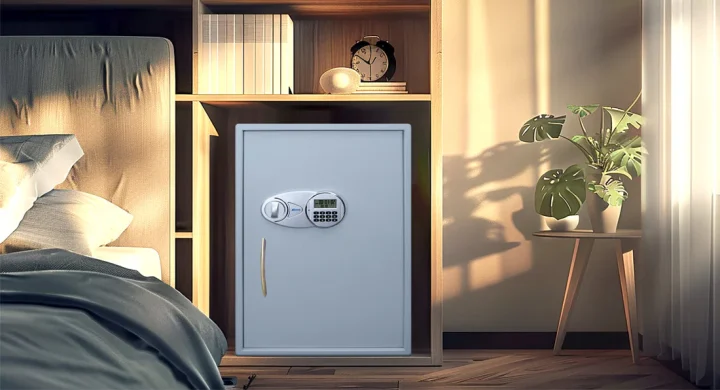
In the realm of security solutions, few innovations capture the imagination quite like the meticulous engineering behind standard safes Dubai. The contemporary security landscape has witnessed a remarkable transformation, where traditional craftsmanship meets cutting-edge technology to create protective solutions that are both functional and aesthetically pleasing. This evolution represents more than mere industrial progress; it embodies a sophisticated artistry that balances form with function.
The modern security industry has embraced technological advancement whilst maintaining the fundamental principles of robust protection. Today’s manufacturers understand that security solutions must seamlessly integrate into contemporary environments, whether residential or commercial. This understanding has led to the development of sophisticated protection systems that demonstrate exceptional engineering prowess alongside visual appeal.
Engineering Excellence in Modern Safe Design
The artistry behind contemporary safe manufacturing lies in the intricate balance between multiple engineering disciplines. Master craftsmen and engineers collaborate to create products that withstand both physical and technological threats whilst maintaining operational elegance. This process involves careful consideration of materials science, mechanical engineering, and user experience design.
Modern safe construction employs advanced metallurgy techniques that ensure optimal strength-to-weight ratios. The selection of steel grades, heat treatment processes, and precision manufacturing techniques all contribute to the creation of security solutions that exceed industry standards. These technical considerations are complemented by aesthetic elements that allow security devices to complement their surroundings rather than dominate them.
Material Innovation and Construction Techniques
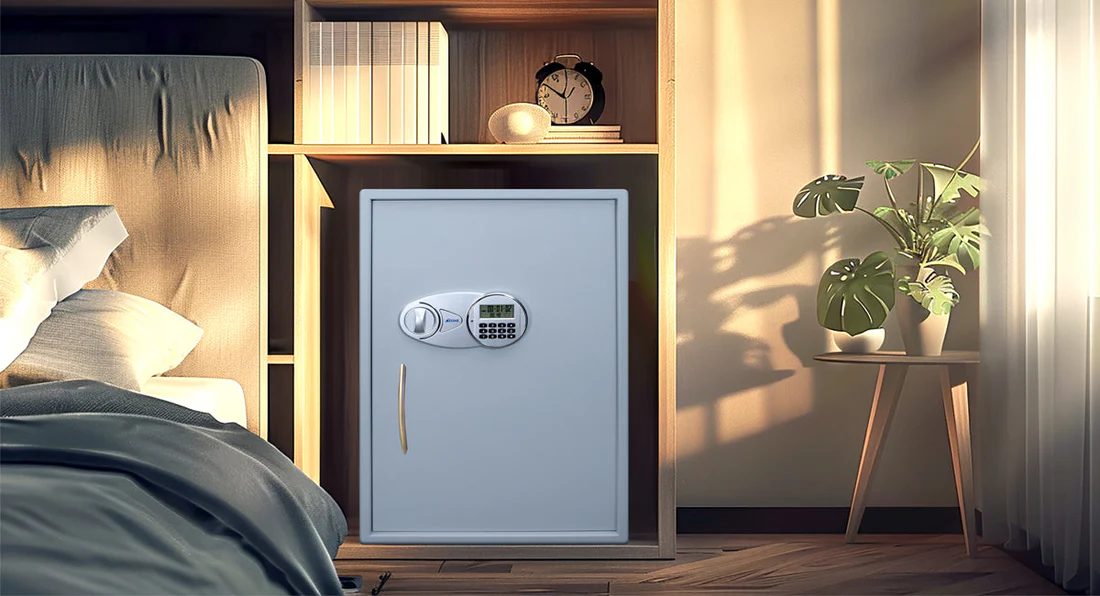
The foundation of exceptional security lies in material selection and construction methodology. Contemporary manufacturers utilise high-grade steel alloys that undergo specialised treatment processes to achieve optimal hardness and durability. These materials are then shaped using precision manufacturing techniques that ensure consistent quality and reliability across product ranges.
Fire resistance capabilities represent another crucial aspect of modern safe design. Advanced insulation materials and construction techniques provide protection against extreme temperatures, ensuring that valuable contents remain secure even in adverse conditions. The integration of these protective elements requires considerable expertise and attention to detail throughout the manufacturing process.
Technological Integration and Modern Features
The incorporation of essential modern security features has transformed traditional safe design into a sophisticated technological endeavour. Electronic locking mechanisms, biometric access controls, and digital monitoring systems now complement mechanical security features to provide comprehensive protection solutions.
These technological enhancements extend beyond basic functionality to include user-friendly interfaces and connectivity options. The latest security technology trends demonstrate how modern safes can integrate with broader security ecosystems whilst maintaining their core protective functions.
Regional Expertise and Market Leadership
The global security market has witnessed remarkable growth in regions where luxury and security converge with particular sophistication. Markets such as the Middle East have become centres of excellence for premium security solutions, where discerning clients demand the highest standards of protection and craftsmanship. The demand for standard safes Dubai exemplifies this trend, representing a market where quality and reliability are paramount considerations.
Regional preferences and requirements have influenced design philosophies, leading to products that address specific environmental challenges whilst maintaining universal security standards. Climate considerations, architectural integration requirements, and cultural preferences all contribute to the development of regionally optimised security solutions that maintain global quality benchmarks.
Customisation and Personalisation Options
Modern safe manufacturing embraces the principle that security solutions should reflect individual requirements and preferences. Customisation options extend from interior configurations and capacity specifications to exterior finishes and technological features. This personalisation capability ensures that each security solution aligns perfectly with its intended application and environment.
The artistry of safe design becomes particularly evident in bespoke manufacturing processes, where skilled craftsmen create unique solutions that address specific client requirements. These custom approaches demonstrate the flexibility and expertise that characterise contemporary security manufacturing, combining traditional skills with modern capabilities.
Industry Developments and Future Perspectives
The security industry continues to evolve in response to changing threats and technological opportunities. Emerging technology trends in security indicate that future developments will focus on enhanced connectivity, artificial intelligence integration, and improved user interfaces, whilst maintaining the fundamental protective capabilities that define quality security solutions.
Sustainability considerations are increasingly influencing manufacturing processes, with companies adopting environmentally responsible practices without compromising security performance. These developments reflect the industry’s commitment to responsible manufacturing whilst maintaining the highest standards of protection and reliability.
The Future of Security Craftsmanship
The artistry behind modern safe design represents a remarkable synthesis of traditional craftsmanship and contemporary innovation. As security challenges continue to evolve, the industry’s response demonstrates unwavering commitment to excellence, functionality, and aesthetic appeal. This dedication ensures that future security solutions will continue to embody the sophisticated engineering and thoughtful design that characterise today’s finest protective systems, maintaining their position as essential elements of comprehensive security strategies.